The Building Energy Brief.
Practical guides on commercial HVAC optimization, peak demand charge strategy, BMS integration, and building energy economics — written for facilities managers and building operators, not consultants.
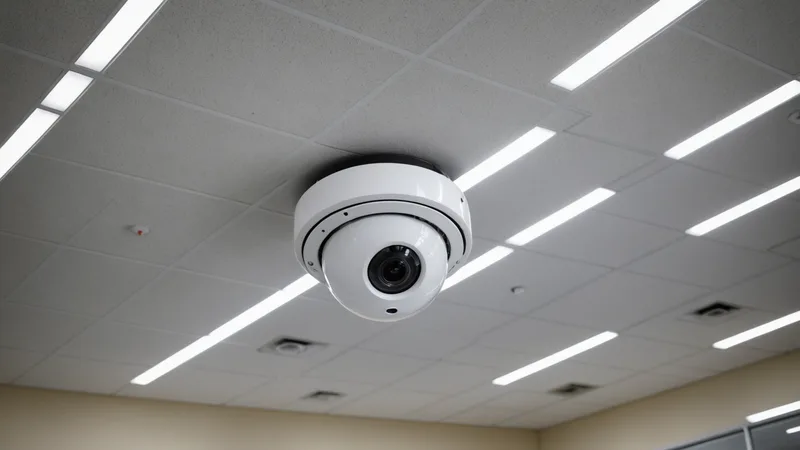
Occupancy Sensing for HVAC: What the BMS Data Actually Tells You (And What It Misses)
PIR sensors, CO2 sensors, and calendar-based proxies each have different lag times and accuracy profiles. Using the wrong occupancy signal for HVAC control decisions can negate the savings you are trying to capture.
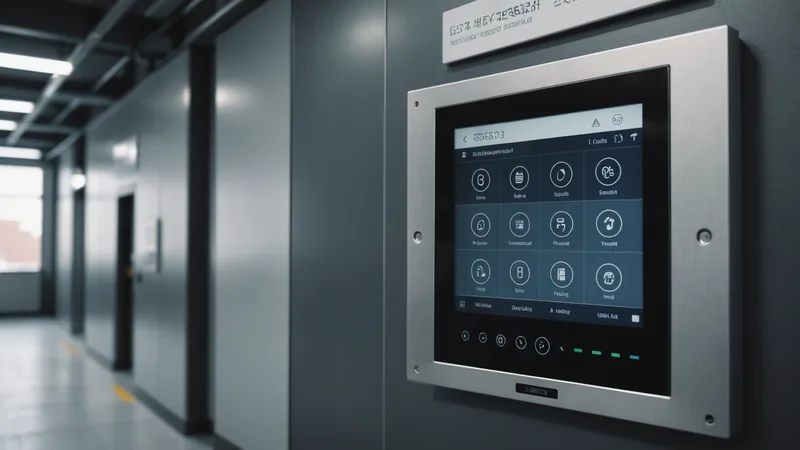
BMS Read-Only vs Control Mode: When Does Building Optimization Software Need Write Access?
Any software that claims to optimize your building but never sends a command is just analytics. But write access to a BMS carries real operational risk. Here is how to evaluate what write permissions are actually required — and what limits them.

The Monday Morning Problem: Why Office Buildings Waste the Most Energy Between 7am and 10am
After a weekend of setback temperatures, a commercial office building's BMS tries to recover 8 degrees in 90 minutes — right at the start of the morning peak tariff window. This is the highest-cost 90 minutes of every working week.
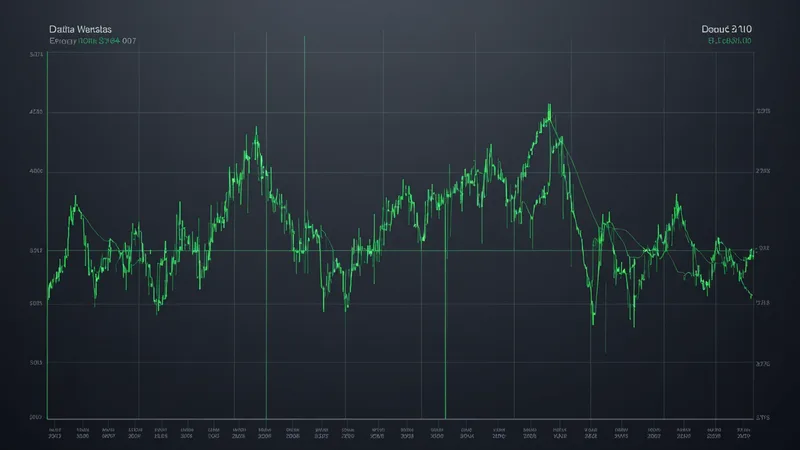
How to Build the ROI Case for Building Energy Optimization (Without a Spreadsheet Full of Assumptions)
Your CFO will ask: what is the payback period? Your answer needs to be based on real baseline data, not vendor projections. This is the framework we use for our own pilots: weather-normalized baseline, actual demand-charge component isolation, year-one projection.

HVAC Overcycling: What It Actually Costs and How to Measure It in Your Building
Overcycling is when your HVAC system runs at full capacity in zones that don't need it — usually because the BMS schedule says to. Measuring overcycling requires looking at zone temperature logs alongside occupancy data. Here is how.

Oregon Utility Tariff Guide: PGE and Pacific Power Demand Charges in 2026
Pacific Northwest commercial customers face some of the most complex time-of-use tariff structures in the US. This guide breaks down PGE and Pacific Power demand charge windows, on-peak rates, and the optimization windows most buildings miss.
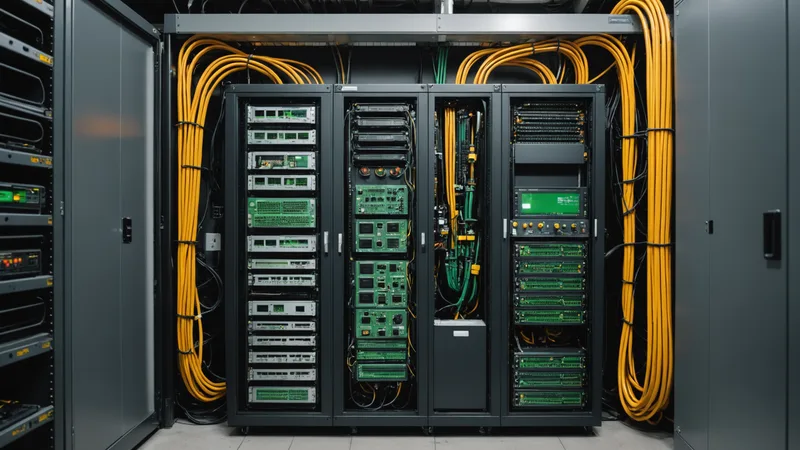
BACnet/IP: What Facilities Managers Actually Need to Know About Their BMS Protocol
BACnet is the language your building uses to talk to itself. Understanding the basics — object types, property reads, who has write access — helps you evaluate any software that claims to integrate with your BMS.
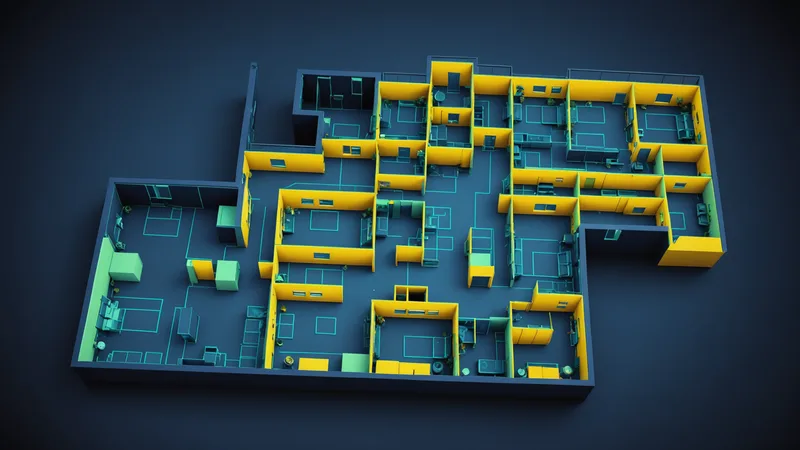
Thermal Inertia: What It Means for Building Pre-Conditioning and Why BMS Ignores It
A 100,000 sq ft concrete-frame office building does not cool down in 30 minutes. Knowing how long your building takes to respond to HVAC changes — under different outdoor conditions — is the foundation of predictive control.
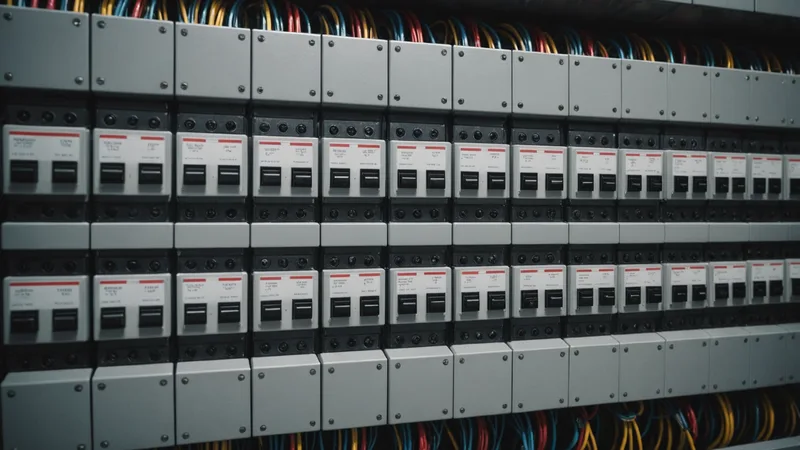
Peak Demand Charges Explained: Why Your Highest 15 Minutes Define Your Monthly Bill
Most facilities managers know demand charges exist. Fewer understand that your entire month's demand charge is set by a single 15-minute interval. Understanding this changes how you think about HVAC scheduling completely.
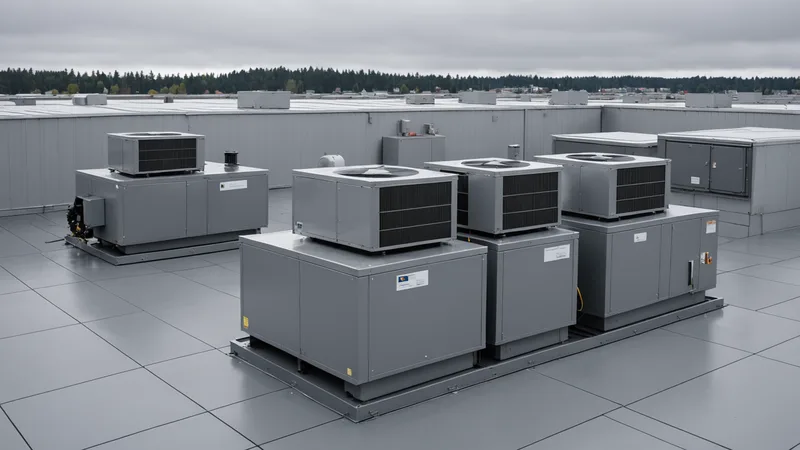
Why Commercial HVAC Runs on the Wrong Schedule (And Why Nobody Fixed It)
Most BMS schedules were set at installation and adjusted maybe twice since. Here is the structural reason building automation has been stuck in a fixed-schedule model for 30 years — and what it costs in peak demand charges.